The Great Wealth Transfer: What It Means for Families
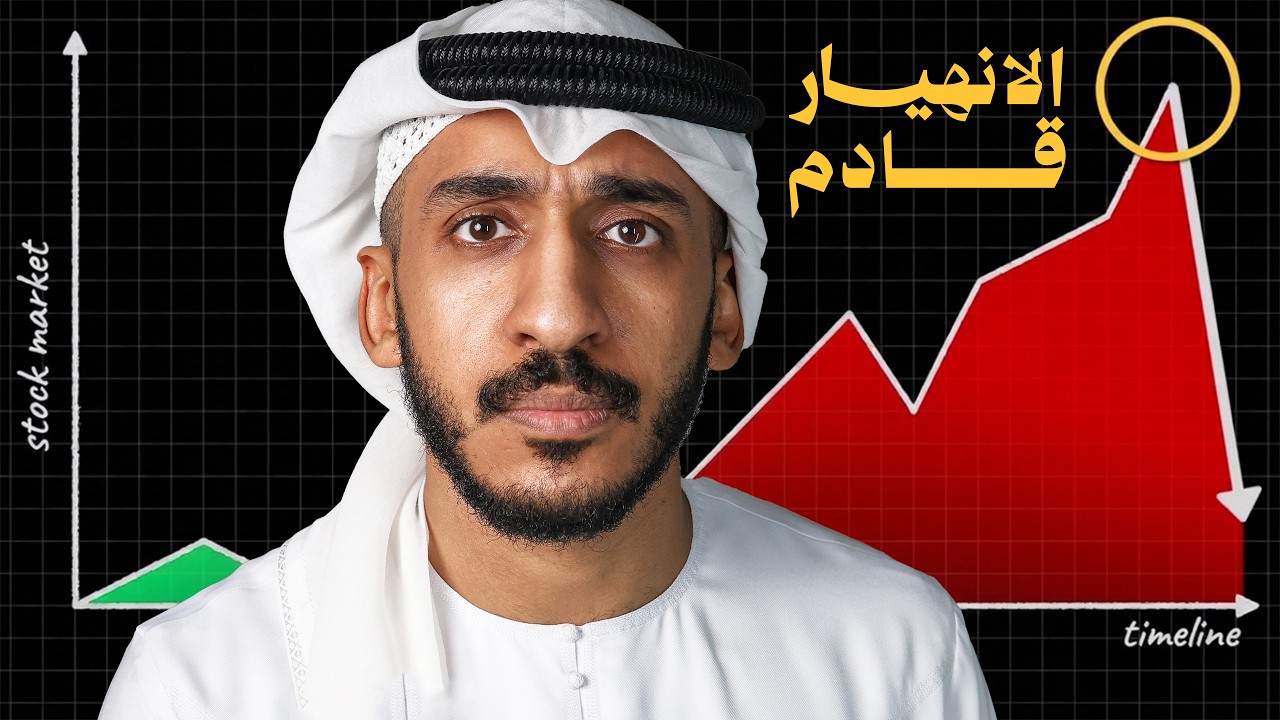
A new video on Ali Alhamed’s channel carries a striking title: “It has started! The biggest transfer of wealth in our lives, 3.2 trillion dollars.” The phrase “great wealth transfer” is widely used to describe something that happens in every generation but draws attention when the sums involved are large: wealth built by parents and grandparents passing to their children and grandchildren. This article is a companion to the video’s subject. It does not summarise the video or analyse the figure in its title; it explains the idea itself, how Islamic inheritance shapes it, and what families can understand before wealth changes hands.
What “wealth transfer” means
Every person who builds something over a lifetime, whether a home, savings, a business or investments, will one day leave it behind. When people speak of a wealth transfer, they mean this movement of assets from one generation to the next, mostly through inheritance and sometimes through gifts made during a person’s life.
The idea is simple, but it carries two sides. For the older generation, the question is how to leave what they built in an orderly, fair and lawful way. For the younger generation, the question is what to do when wealth they did not build themselves arrives, often at a moment of grief, and often without much preparation.
Both sides matter, because wealth that is received without understanding can be spent or lost far faster than it was built.
How Islamic inheritance frames it
For Muslims, the transfer of wealth after death is not left entirely to personal preference. The Quran sets out fixed shares for close relatives, mainly in Surat An-Nisa, and this system is known as the science of inheritance (al-mawarith or al-fara’id).
In broad terms, and as widely taught:
- Obligations come first. Before anything is divided, the deceased’s funeral costs are covered and their debts are paid.
- A bequest is limited. A person may leave a bequest (wasiyyah) of up to one third of the estate, and in the mainstream view it is not made in favour of an heir who already has a fixed share.
- The rest is divided by the fixed shares. The remaining estate goes to the heirs according to the shares set out in the Sharia.
The details of who inherits what, in which circumstances, are a specialised field. Families facing a real estate to divide should rely on a qualified scholar and the relevant official authorities rather than on a general article.
This framework already answers part of the “great wealth transfer” question: the division is defined. What it leaves to each family is everything around it, from keeping clear records to preparing the people who will receive.
Preparing to pass wealth on
People who think ahead about what they will leave behind often focus on a few practical areas:
- Clear records. Heirs cannot inherit what they cannot find. A simple, up-to-date list of accounts, properties, investments and debts saves a family a great deal of confusion.
- Debts and rights written down. Because debts are paid before inheritance is divided, writing down what is owed, and what others owe, protects both the family and the people they deal with.
- A written will where appropriate. A will can record debts, a permitted bequest and practical wishes, within the limits the Sharia sets.
- Open conversations. Families who talk calmly about money while everyone is present tend to face fewer surprises and disputes later.
None of this requires great wealth. A modest estate benefits from order just as much as a large one.
Preparing the people who receive
Assets are only part of a transfer. The other part is the knowledge and habits of whoever receives them. A sum that took decades to build can disappear quickly if it lands with someone who has never managed money, never learned the difference between spending and investing, or feels pressure to act fast.
This is where financial education becomes a family matter. Teaching children and young adults the basics, such as living within their means, keeping an emergency fund, understanding what riba is and why it is avoided, and seeing investing as a long-term process rather than a quick win, is a way of protecting whatever they may one day inherit. It fits closely with the message Ali repeats on his channel: little by little, don’t rush.
Receiving an inheritance with a clear head
When wealth does arrive, a few principles help people approach it calmly:
- Take time before big decisions. There is rarely a reason to commit inherited money in the first weeks. Grief and urgency are poor advisers.
- Understand exactly what was inherited. Property, cash, shares and business interests each need a different kind of understanding.
- Check the Shariah status of what you hold. An inheritance may include things a Muslim would not have chosen, such as interest-bearing deposits, conventional bonds or shares in non-compliant companies. The site’s FAQ explains why conventional interest-bearing bonds are not permissible and how stocks are screened. How to deal with such inherited holdings, and with any interest already earned on them, is a question to put to a qualified scholar.
- Remember zakat. Inherited wealth becomes the heir’s own wealth, and zakat applies to zakatable wealth at 2.5% once its conditions are met. How the zakat year is counted for newly inherited wealth is a detail worth confirming with a scholar.
What to take away
- See the transfer as two tasks: leaving wealth in good order, and preparing the people who will receive it.
- Learn the basics of Islamic inheritance, especially that debts come first and that bequests are limited to one third, and turn to a qualified scholar for the details.
- Keep simple, current records of what you own and owe, so your family is not left guessing.
- Make financial education part of family life, long before any inheritance is in view.
- If wealth arrives, slow down, understand it, check its Shariah status and remember zakat before making any long-term decision.
For more on screening stocks, bonds and other assets from a Shariah perspective, see the halal investing FAQ, and watch the video on Ali’s YouTube channel.