Investing a Monthly Surplus With a Clear System, Not Random Tips
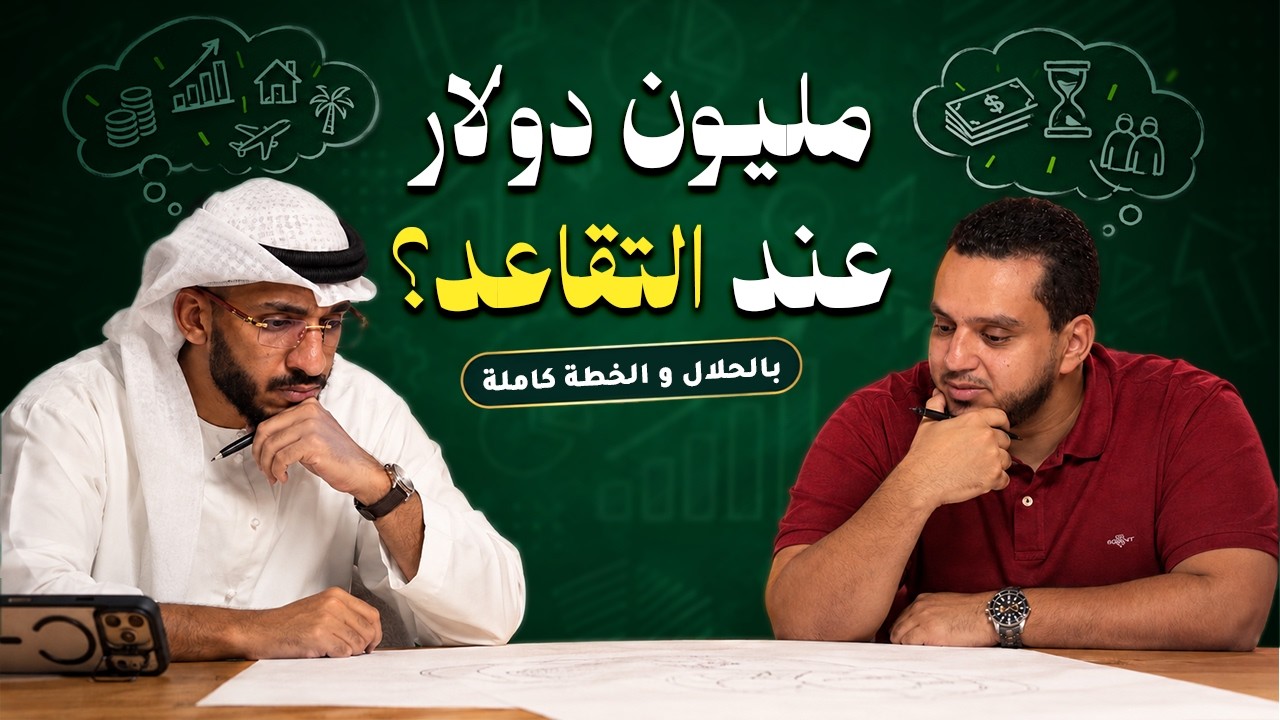
A salary of 8,000 dollars sounds comfortable, yet what matters for building wealth is what is left at the end of the month. Ali Alhamed’s video “His income is 8,000 dollars and 1,000 is left over: how does he reach the million? (the halal way)” starts from exactly that situation. According to its description, the episode is meant for people who already earn an income from a job, who worry about job security, and who want a clear system for deciding where their money goes instead of relying on random tips. It is not meant for anyone looking for quick profit, because investing is done with the surplus, not with money a person needs. This article looks at the ideas behind that subject: the monthly surplus, the value of a system, and why patience and halal checks belong in it from the start.
The surplus, not the salary, is the starting point
Two people with the same salary can be in very different positions. One spends almost everything; the other keeps a regular amount aside each month. Only the second has something to invest. That is why the surplus, the money that remains after essential spending and obligations, is the real starting point.
The video’s description makes the same distinction: investing is done with the surplus, not with money a person needs. Money set aside for rent, school fees, debts or next month’s bills should not be exposed to the ups and downs of markets. If an investment falls in value at the moment that money is needed, the investor may be forced to sell at a bad time. Keeping the two apart protects both the household and the investment.
Knowing the surplus also means knowing the numbers. Many people have only a rough idea of where their salary goes. Writing down income and regular expenses for a few months usually shows how much is genuinely left, and whether it is steady enough to plan around.
Job security and why one income feels fragile
The description speaks to people who are uneasy about job security. That worry is understandable: when all of a family’s income comes from one employer, a single change at work can affect everything at once.
A widely shared first step, before any investing, is an emergency fund: cash kept aside to cover several months of essential expenses, so that a lost job or an unexpected bill does not force anyone into debt or into selling investments. For a Muslim saver, where that cash is kept matters too, since interest-bearing accounts raise the question of riba. Building this buffer first means that any later investing really is done with surplus money.
Over time, the surplus that is invested can become a second source of growth alongside the salary. It does not replace the salary, and it does not remove the risk of losing a job, but it means the family’s future does not rest on one source alone.
What a clear system can look like
A “system” here simply means deciding in advance what happens to the surplus, rather than reacting to whatever is being talked about that week. The details differ from person to person, but systems like this commonly include a few elements:
- A fixed amount and a fixed day. Moving part of the surplus aside right after the salary arrives, before it is spent, turns saving into a habit.
- A clear order of priorities. Essentials and obligations first, then the emergency fund, then long-term investing.
- A Shariah check before anything is bought. Confirming that the business activity is permissible and that the company’s finances pass screening, and that the way it is bought and financed is halal too.
- A long time horizon. Money invested for years is not money that has to be watched every hour.
- A regular review. Checking a few times a year whether the plan still fits one’s income, family situation and goals, and whether each holding is still Shariah-compliant.
None of this depends on predicting prices. Its strength is consistency.
Why random tips are a weak foundation
Tips arrive from everywhere: group chats, friends, social media. The problem is not only that many of them turn out to be wrong. A tip usually skips the questions an investor needs answered: What does this company do? Does it pass Shariah screening? Does it fit the investor’s own goals and the time they can wait?
The site’s halal investing FAQ makes a related point: before buying any asset, the question is not only whether its price will rise, but whether the asset is halal and whether the way it is bought, financed and traded is halal. An investor who follows tips without asking these questions may end up holding something they do not understand and that may not even be permissible.
About the million
The title asks how someone with 1,000 dollars left over each month could reach a million. A round number like this is a way of thinking about the long term, not a promise. The description itself notes that the figures in the episode are illustrative assumptions, and that the results mentioned belong to individuals and do not guarantee future results.
The underlying idea is widely understood: regular contributions, held for many years, give gains the time to build on earlier gains. How far that goes depends on the investments, the markets and the years involved, and nobody can know the outcome in advance. Halal investing is not risk-free either; a Shariah-compliant investment can rise or fall in value. At the same time, there is no rule that halal investing must earn less. What it requires is patience, and the discipline to keep going through the years when nothing seems to happen.
This is where Ali’s recurring rule fits: little by little, don’t rush.
What to take away
- Work out the real monthly surplus by tracking income and expenses for a while.
- Keep money that is needed, and an emergency fund, separate from money that is invested.
- Decide in advance what happens to the surplus each month, instead of reacting to tips.
- Check that anything considered is Shariah-compliant, and that the way it is bought is too.
- Treat any large target as a long-term direction, not a promise, and expect ups and downs along the way.
To go further, the halal investing FAQ answers 60 common questions, and the full video is on Ali’s YouTube channel.